Last updated November 18, 2026
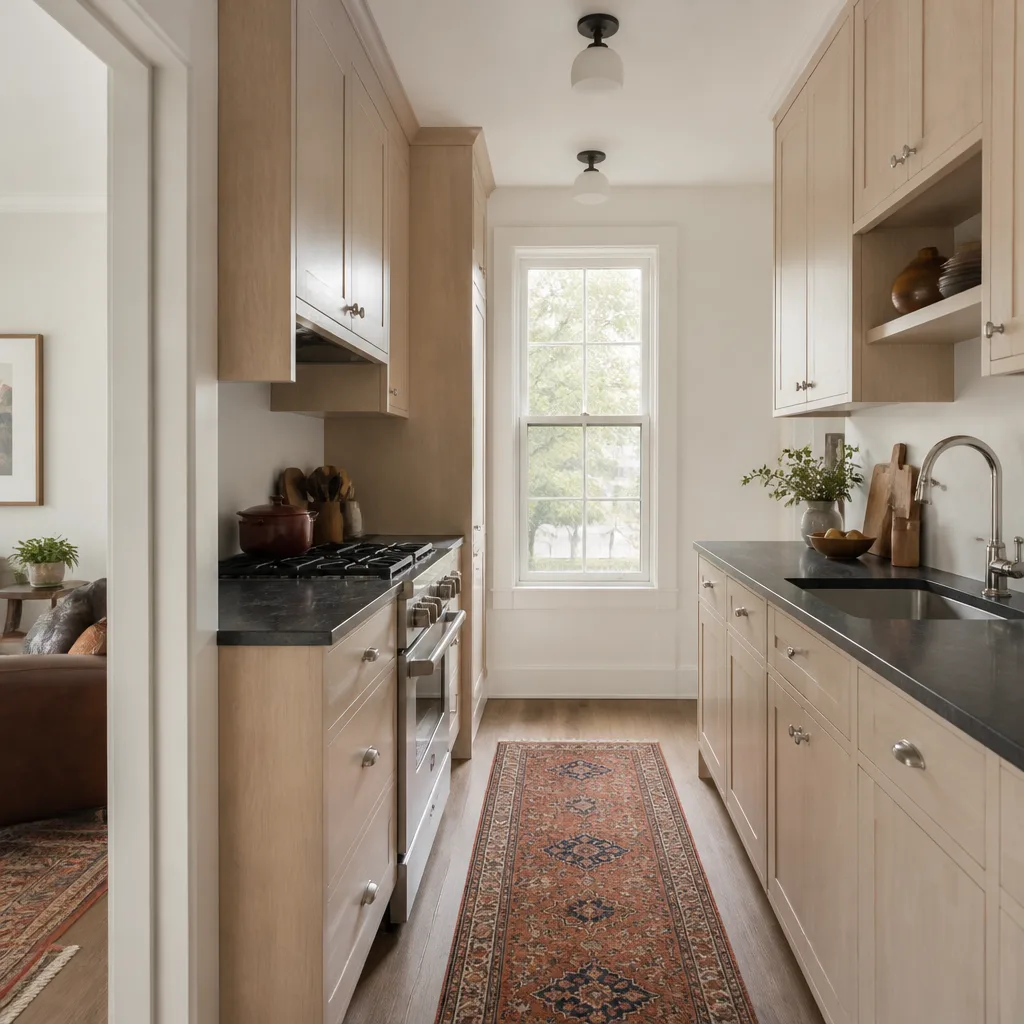
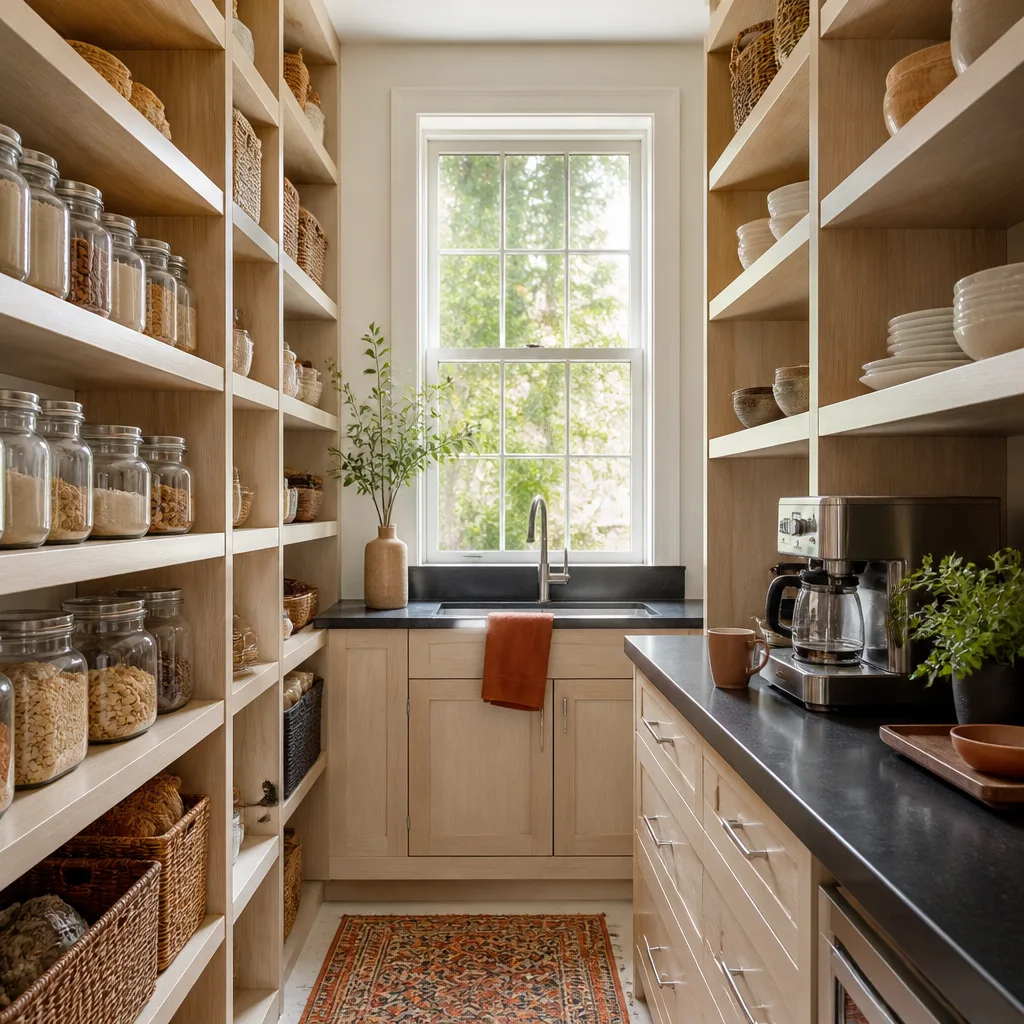
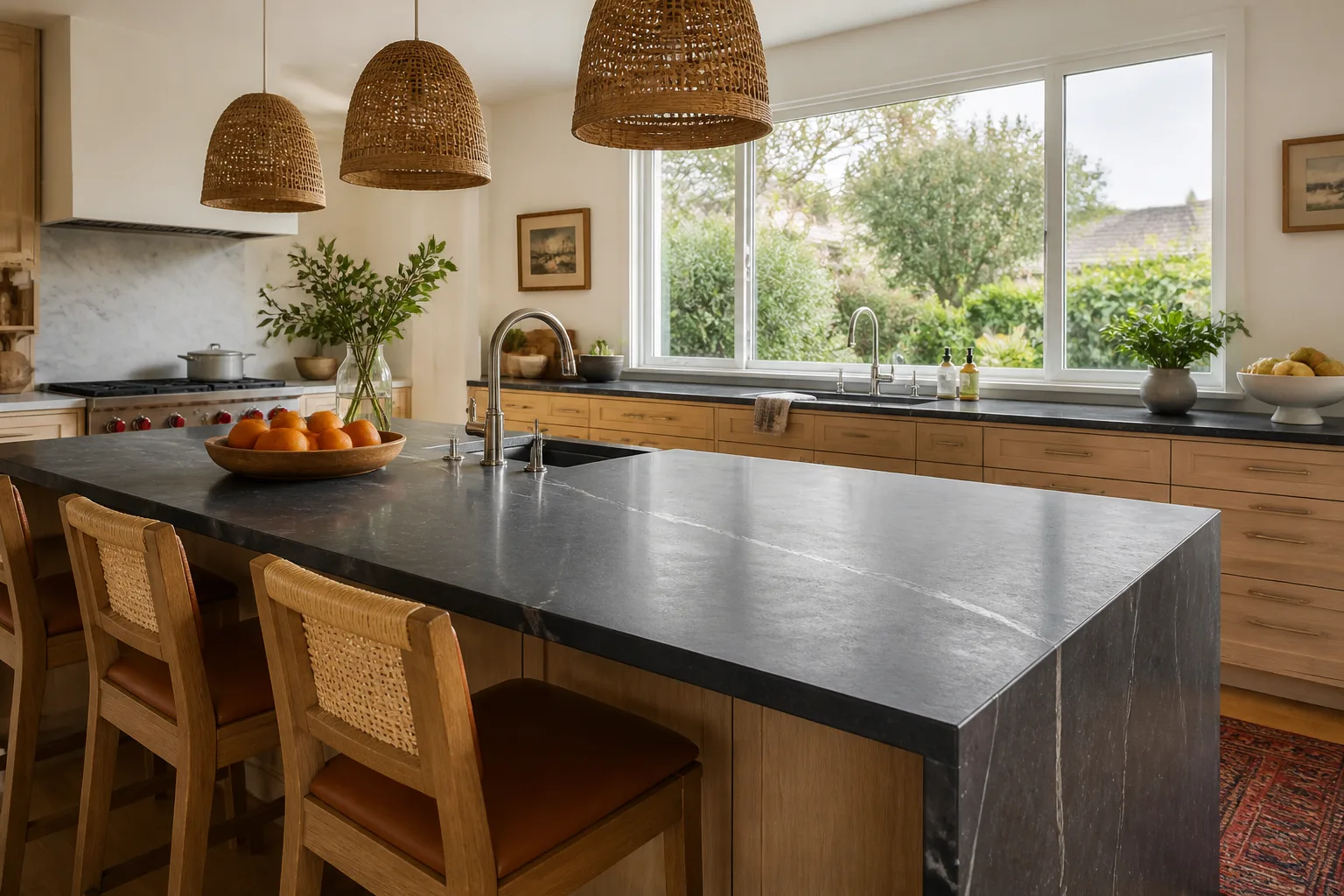
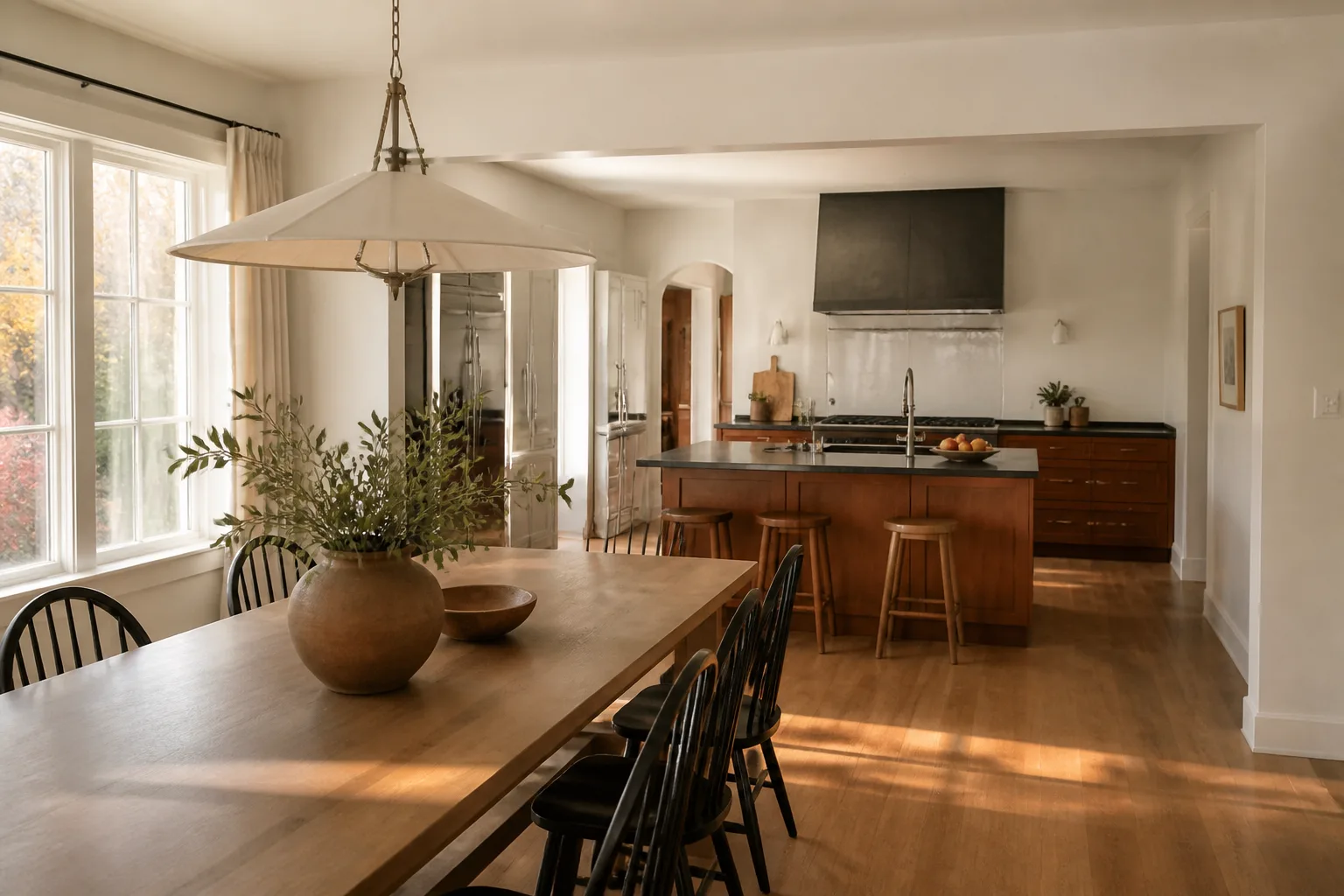
Free design consultation - KraftMaid and Wellborn cabinet lines, Cambria and Silestone surfaces, and every tier from refacing to full custom laid out side by side
Choosing the Right Kitchen Remodeling Brand: A Buyer’s Guide for North Las Vegas
Two kitchens go in the same year, in the same North Las Vegas neighborhood, with the same footprint. One gets stock cabinets and builder-grade quartz. The other gets KraftMaid cabinetry and a Cambria slab. Walk into both five years later and the difference isn’t subtle. The desert doesn’t hide cheap construction – it accelerates every weak point. Heat cycles stress cabinet finishes. Hard water etches porous surfaces. Dry air pulls joints apart. The brand names on your cabinet doors and countertop edges aren’t a status symbol. They’re a durability and accountability decision, and in North Las Vegas that decision plays out faster and more visibly than it does almost anywhere else. This guide walks you through what manufacturer authorization actually means, how to compare brands for desert conditions, and how to match brand tier to your real budget and resale goals.
Quick Answer
The right kitchen remodeling brand in North Las Vegas is the one whose authorized dealer can show you warranty terms in writing, install to the manufacturer’s spec, and stand behind the work when something fails. For most North Las Vegas homeowners, that means a dedicated kitchen specialist carrying semi-custom cabinetry like KraftMaid or Wellborn and quartz surfaces from Cambria, Silestone, or Caesarstone – brands with published construction standards, transferable warranties, and installers held to those standards. Aesthetic preference matters, but construction and accountability matter more.
Styles & brands we work with
- Shaker
- Modern flat-panel
- Two-tone cabinets
- KraftMaid
- Cambria quartz
- Butcher block
- Open shelving
Table of Contents
- What “Manufacturer-Authorized Dealer” Actually Means in Practice
- How to Evaluate Cabinet Brands for North Las Vegas Conditions
- Countertop Brands for a Desert, Hard-Water Market
- The Brand Access Gap: Kitchen Specialists vs. Big-Box Stores
- Matching Brand Tier to Your Budget and Resale Goals
- Why Installation Standards Matter as Much as the Brand
- A Step-by-Step Process for Choosing Your Kitchen Remodeler
What “Manufacturer-Authorized Dealer” Actually Means in Practice
Most homeowners assume “authorized dealer” is a marketing badge. It’s not. It’s a contractual relationship with three concrete consequences: warranty validity, installation standards, and who answers when something fails.
When a cabinet manufacturer authorizes a dealer, that dealer agrees to sell at published pricing tiers, follow the manufacturer’s installation guidelines, and represent the product accurately. In return, the manufacturer backs the product warranty through that dealer. If you buy the same cabinets through an unauthorized channel – a warehouse reseller, an online discounter, a generalist contractor who sources from a jobber – and the finish peels or a drawer box fails, the path to remedy is murky. The manufacturer can point to improper storage or installation. The installer can blame the product.
What authorization gives you
- Warranty coverage that holds: the manufacturer stands behind the product because it was sold and installed through an approved channel.
- Published construction specs: you can verify what’s actually inside the cabinet box, not just what the showroom photo looks like.
- Accountability on installation: the dealer is held to the manufacturer’s installation standards, which matters enormously in a climate where seasonal movement is real.
- Access to the full line: authorized dealers can spec options, finishes, and configurations that unauthorized sellers can’t order.
As an authorized installer for KraftMaid and Wellborn cabinetry, we see the practical difference constantly. When a North Las Vegas homeowner comes to us after a failed cabinet finish or a benchtop that cracked at a seam, the first question is always the same: who installed it, and were they authorized? The answer usually explains the failure before we even look at the damage.
Ask any remodeler you’re considering one direct question: are you an authorized dealer for the cabinet and surface brands you’ve quoted? If the answer is vague, that’s your answer.
How to Evaluate Cabinet Brands for North Las Vegas Conditions
Cabinet brands are not interchangeable, and the differences that matter in North Las Vegas are not the ones most buyers focus on. Style and color are the last things to evaluate. Construction and finish come first, because this climate tests both relentlessly.
Finish durability under UV exposure
North Las Vegas gets roughly 290 sunny days a year. Even with window treatments, kitchens here receive significant indirect UV exposure. That exposure degrades low-grade thermofoil and thin painted finishes over time – yellowing, peeling at edges, cracking around drawer fronts. Premium cabinet lines like KraftMaid and Wellborn use multi-step finish systems with catalyzed topcoats that resist UV degradation. Ask any cabinet dealer what finish system they use and how it’s tested. If they can’t answer, you’re looking at a product that will fade before its warranty expires.
Box construction for humidity swings
Desert air is dry most of the year, but kitchen humidity swings constantly – steam from cooking, dishwasher cycles, sink use. Cheap cabinet boxes made from thin particleboard swell at the edges, soften around hinge screws, and separate at the joints. Premium semi-custom lines use plywood or high-density engineered wood with glued and doweled joints. A cabinet box that’s stapled together will loosen; a box that’s glued and doweled will not.
Drawer box longevity
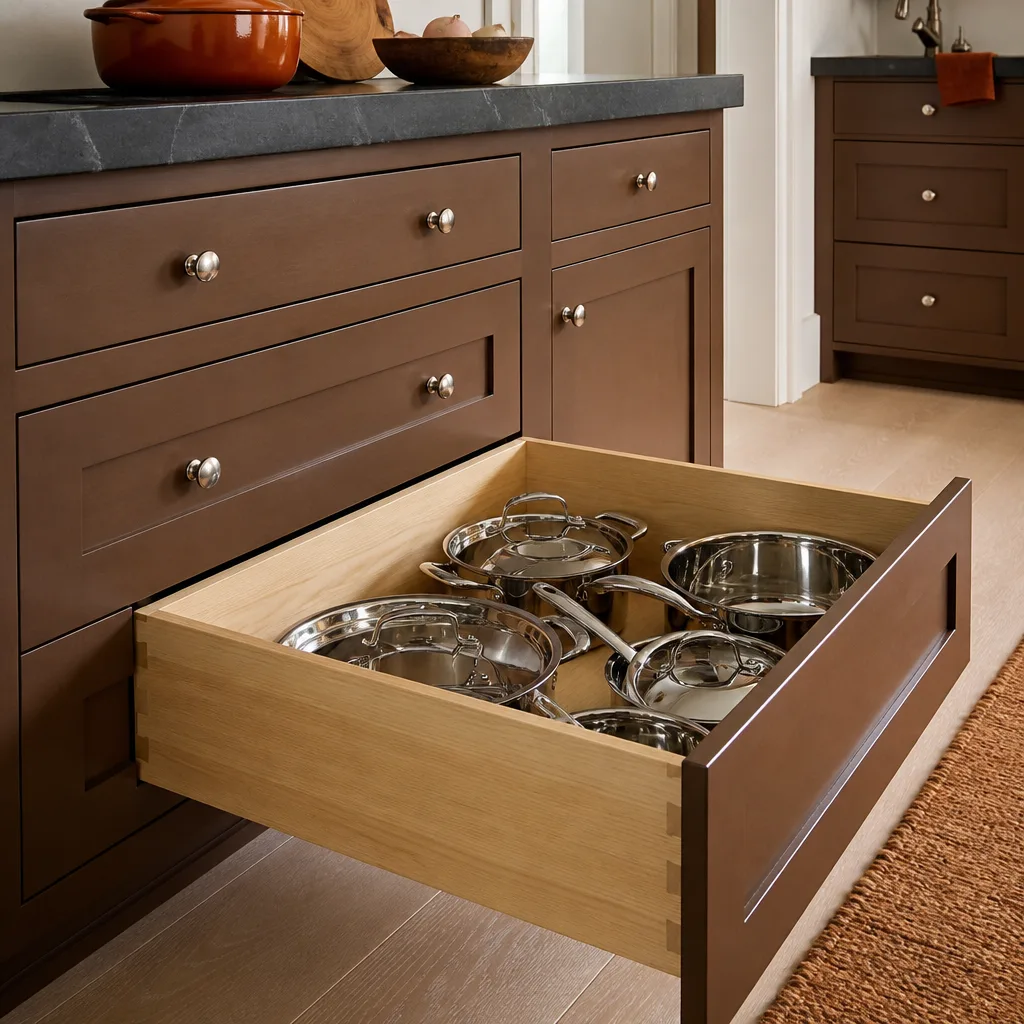
Dovetail drawer boxes outlast stapled boxes significantly. Dovetail joints interlock the drawer sides with mechanical strength that staples can’t replicate. In a dry climate, stapled joints loosen faster because staple teeth rely on friction that seasonal humidity changes undermine. When you’re comparing cabinet brands, look at the drawer box joint, the drawer glide rating, and whether the drawer bottom floats in a groove or is stapled in place.
A cabinet brand evaluation checklist
- Ask for the cabinet box material and joint construction in writing.
- Open a drawer and inspect the joint: dovetail beats stapled, every time.
- Ask what finish system the manufacturer uses and how it resists UV.
- Confirm the drawer glide brand and weight rating.
- Ask to see warranty terms before you sign anything.
- Verify the dealer is manufacturer-authorized for that specific line.
These are the questions a dedicated kitchen specialist answers from memory – because every project we touch is a kitchen. When you’re ready to talk brands in person, our cabinet installation team can walk you through KraftMaid and Wellborn side by side.
Countertop Brands for a Desert, Hard-Water Market
Countertop choice in North Las Vegas is not just an aesthetic decision, because the water here is hard. Hard water leaves mineral deposits quickly, and any porous surface absorbs them. That single fact reorders the countertop conversation.
Why engineered quartz outperforms natural quartzite in a hard-water market
Cambria, Silestone, and Caesarstone are all engineered quartz surfaces: roughly 90% ground quartz combined with polymer resins. The result is a non-porous surface that doesn’t absorb water, doesn’t stain from spills, and resists mineral buildup from hard water far better than natural stone. Natural quartzite, for all its beauty, is porous. It requires periodic sealing, and even sealed quartzite can show water spots and mineral haze over time if not maintained carefully.
In a market with hard water, engineered quartz gives you a surface that wipes clean and stays that way. That’s why three of the most recognized quartz brands in the industry – Cambria, Silestone, and Caesarstone – are the surfaces we work with. We carry all three because the differences among them matter to different homeowners, and we’d rather help you compare them than push one.
How the three quartz brands compare
- Cambria: made in the USA, non-porous, with a warranty that’s among the strongest in the industry. Strong on slab consistency and colorways.
- Silestone: broad color range, strong performance specs, and some engineered features around stain and bacteria resistance.
- Caesarstone: known for distinctive slab patterns and a designer-driven aesthetic range.
Each backs its product with its own warranty terms, and each holds up in desert conditions. The right choice depends on which slab speaks to you, which warranty terms you prefer, and what the installation quote looks like. Compare them side by side, then decide.
When natural stone still wins
Natural stone still has a place. If you’re remodeling a formal kitchen and want a slab no one else has, natural quartzite or marble delivers unmatched character. Some homeowners also prefer the tactile reality of a honed natural surface. Just go in clear-eyed: natural stone in a hard-water market requires sealing and periodic maintenance. Engineered quartz doesn’t. If you want a low-maintenance surface, quartz is the smarter call.
For a closer look at how surface choice fits a full remodel, our kitchen remodeling page lays out the full process.
The Brand Access Gap: Kitchen Specialists vs. Big-Box Stores
Big-box stores sell cabinets and countertops. They just don’t sell the same products a dedicated kitchen specialist does, and the gap matters more than most buyers realize until something goes wrong.
What big-box stores actually offer
Big-box kitchen departments mostly sell stock or semi-stock lines from a limited manufacturer roster. The cabinets are usually manufactured to a price point: thinner boxes, stapled construction, fewer finish options. Countertops are often sourced from regional fabricators at whatever slab quality is available. The installation is subcontracted to whoever holds the local contract. The job gets done, but the accountability chain is long and the product tier is set by a corporate buying decision, not by your kitchen.
What dedicated kitchen specialists carry
A dedicated kitchen specialist carries brands that are typically unavailable through retail channels because the manufacturer sells only through authorized dealers who meet installation and service standards. KraftMaid and Wellborn, for example, are semi-custom and custom lines sold through authorized dealers. Cambria, Silestone, and Caesarstone are sold through fabricator-dealer networks. The gap is access, and access sets the quality ceiling.
What the access gap means for your project
- Better construction: the brands available through specialists are built to higher material and joint standards.
- Longer warranties: premium brands publish multi-year warranty terms; stock lines often don’t.
- Real design flexibility: semi-custom means you can configure the cabinet to your kitchen, not the other way around.
- Coordinated installation: cabinet installation and countertop installation happen as core competencies, not subcontracted afterthoughts.
- Finish and fixture matching: with fixtures and sinks from Kohler, Moen, and Blanco, the finish work matches the caliber of the cabinetry. No mismatched upgrade path.
If you’re still deciding whether a specialist is worth it, take a look at what kitchen remodel North Las Vegas projects typically involve, then compare that scope against what a big-box quote covers. The scopes are rarely the same.
Matching Brand Tier to Your Budget and Resale Goals
Not every North Las Vegas kitchen needs premium brands. The smart move is to match brand tier to your actual budget and your resale plans, and to be honest with yourself about both.
When premium brands are a clear financial win
- You plan to stay long enough to feel the durability: premium cabinets and quartz surfaces stay functional and visually intact well past the point where stock products need replacing.
- You’re remodeling for resale in a competitive North Las Vegas market: buyers recognize KraftMaid, Wellborn, Cambria, Silestone, and Caesarstone. That recognition translates to confidence at the negotiating table.
- You want a cohesive result: premium brands across cabinets, surfaces, and fixtures produce a kitchen that reads as one design decision, not a patchwork.
When a mid-tier choice makes more sense
- You’re remodeling a smaller kitchen on a shorter horizon: if you plan to move within a few years, a well-chosen semi-custom line with an engineered quartz surface gets you most of the way there without the top-slab premium.
- You’re updating a rental or secondary property: mid-tier cabinetry and engineered quartz hold up well without the cost of a top-tier finish.
- You want to allocate the budget toward layout changes: if your kitchen needs plumbing or electrical moves, spending on the structural work first and choosing mid-tier brands for the cabinet and surface package is a sound trade.
How to set a realistic kitchen budget by tier
Kitchen remodels in North Las Vegas span a wide range depending on scope, layout changes, and brand tier. Rather than publish a general price ladder, the useful move is to get a written line-item estimate that separates cabinetry, countertops, fixtures, installation labor, and any structural work. Any remodeler who can’t or won’t itemize is worth a second thought. The written estimate should set the final price, with no surprises after work starts, and it should be free. Our team works per job by written estimate, which means you see the numbers before you commit to anything.
If you want to see how we think about the project as a whole, the North Las Vegas overview is a good starting point.
Why Installation Standards Matter as Much as the Brand
The best cabinet brand in the world can fail if it’s installed wrong. A $20,000 slab can crack in a year if the substrate wasn’t leveled. Installation standards are where brand promises become reality, and they’re the single most underrated factor in a North Las Vegas kitchen remodel.
Cabinet installation standards that matter
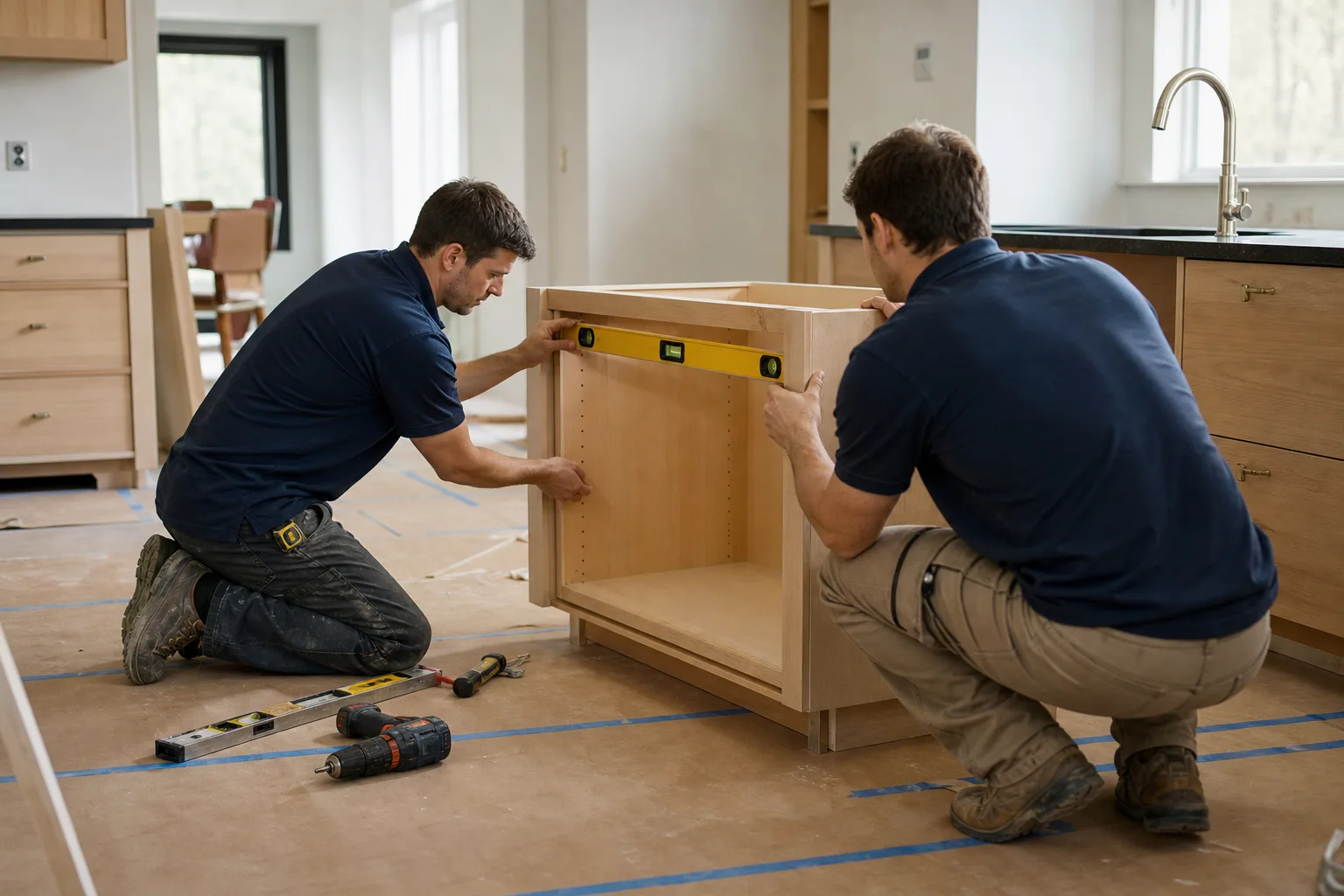
- Level and plumb walls: desert conditions cause minor settling and wall movement; cabinets must be shimmed and leveled professionally, not eyeballed.
- Proper anchoring: cabinet boxes must be anchored to studs with the right fasteners, not drywall anchors.
- Seam and joint alignment: door reveals must stay consistent; cheap installation produces uneven gaps that worsen as the wood moves.
- Finish protection during install: premium finishes require handling care; a scratched cabinet door from installation is a warranty problem waiting to happen.
Countertop installation standards that matter
- Template first: quartz countertops should be field-templated, not measured from drawings, because wall irregularity is normal.
- Level substrate: engineered quartz doesn’t flex; a wavy cabinet run transfers stress to the slab.
- Proper seam placement: seams should be planned for aesthetic and structural reasons, not wherever the fabricator feels like it.
- Sink and fixture cutouts: Kohler, Moen, and Blanco fixtures each have specific cutout dimensions; a sloppy cut means leaks and voids warranties.
This is why we treat cabinet installation and countertop installation as core competencies rather than subcontracted line items. When the same team handles the cabinet boxes, the countertop edge, and the sink cutout, accountability is singular. One team, one standard, one phone number if something’s off.
A Step-by-Step Process for Choosing Your Kitchen Remodeler
Choosing the right brand is half the decision. The other half is choosing the remodeler who will install it with care. Here’s a process you can run on any North Las Vegas remodeler you’re considering, including us.
- Ask for manufacturer authorization in writing: the specific brands, the specific lines, and evidence of authorization.
- Ask what brands they carry and why: a specialist can explain the differences among KraftMaid and Wellborn, or among Cambria, Silestone, and Caesarstone.
- Request a written line-item estimate: separate line items for cabinetry, countertops, fixtures, installation labor, permits, and any structural work.
- Confirm who handles installation: is cabinet installation and countertop installation in-house or subcontracted? When it’s subcontracted, ask who is responsible for final quality.
- Ask to see warranty terms: the cabinet warranty, the surface warranty, and the fixture warranty should all be reviewed before you sign.
- Verify permit responsibility: most cities require permits for kitchen work that involves plumbing, electrical, or structural changes; ask who pulls the permits.
- Ask about project timeline and milestones: a realistic timeline has clear phases – demolition, rough-in, cabinetry, template, installation, final inspection.
- Read the fine print on the estimate: fixed pricing with no change orders is the goal; surprises after work starts are the risk.
Any remodeler worth hiring will welcome these questions. A remodeler who dodges them is telling you something.
Common Mistakes to Avoid
- Choosing a cabinet brand by showroom photo: the photo shows the door front; the construction is in the box. In North Las Vegas, the box construction and finish system determine how the cabinet performs under heat and dry cycles. Open a drawer and look inside before you decide.
- Skipping the authorized-dealer question: if the remodeler can’t confirm manufacturer authorization for the specific brand and line they quoted, the warranty may not cover you. Ask before the contract, not after a failure.
- Assuming all quartz is the same: Cambria, Silestone, and Caesarstone are all engineered quartz, but they differ in slab aesthetic, warranty terms, and price. Compare them side by side rather than accepting whichever slab is on the closest display.
- Ignoring hard water when choosing natural stone: natural quartzite and marble need sealing and maintenance in a hard-water market. If you don’t want to seal a countertop periodically, choose engineered quartz.
- Mismatching fixture tier with cabinetry tier: if you spec KraftMaid cabinets and Cambria slabs but drop in a builder-grade faucet, the mismatch shows. Kohler, Moen, and Blanco fixtures exist at premium price points for good reason.
- Not getting a line-item estimate: a lump-sum estimate hides what you’re paying for. Ask for the breakdown: cabinetry, countertops, fixtures, installation labor, permits, and structural work.
- Hiring a generalist for a kitchen project: kitchens reward cumulative expertise. A generalist’s divided attention across bathrooms, flooring, and kitchens shows up in kitchen-specific details. A dedicated kitchen specialist has seen the same kitchen challenges hundreds of times.
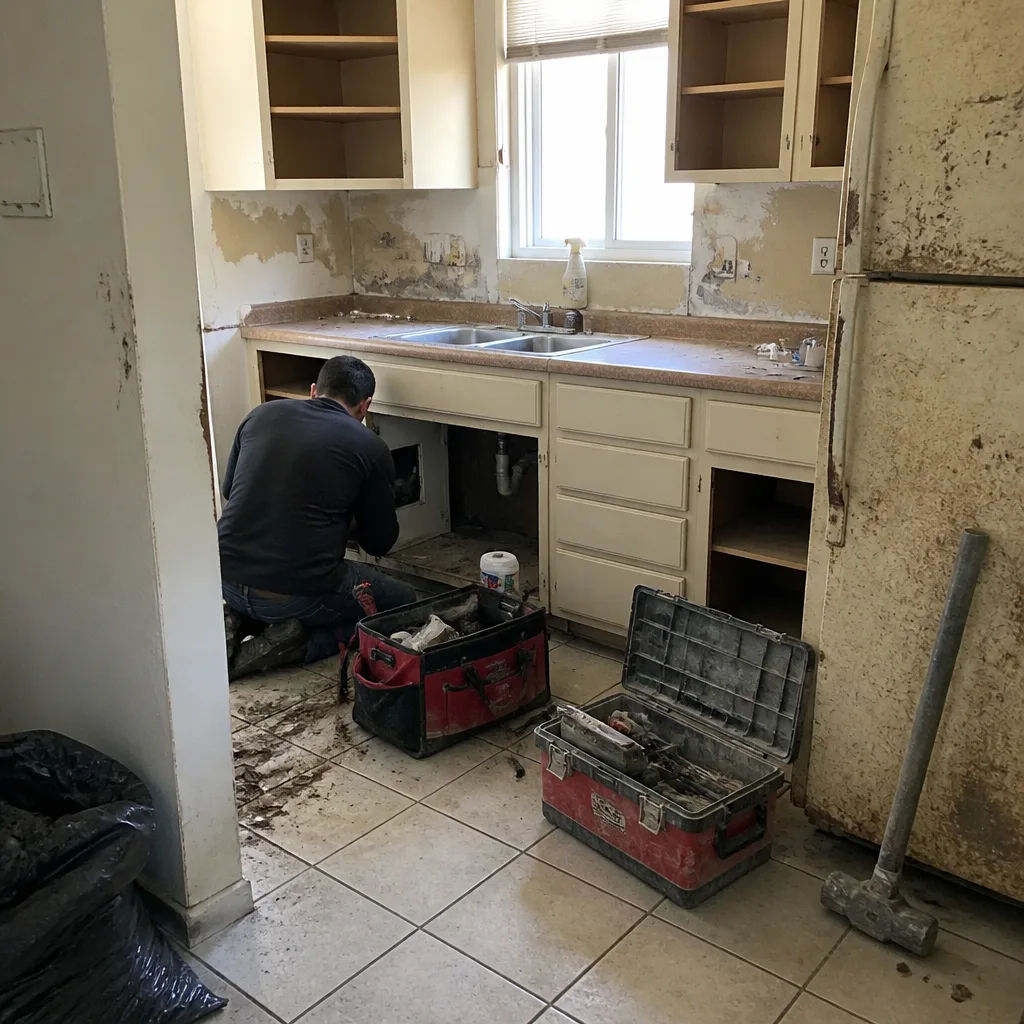
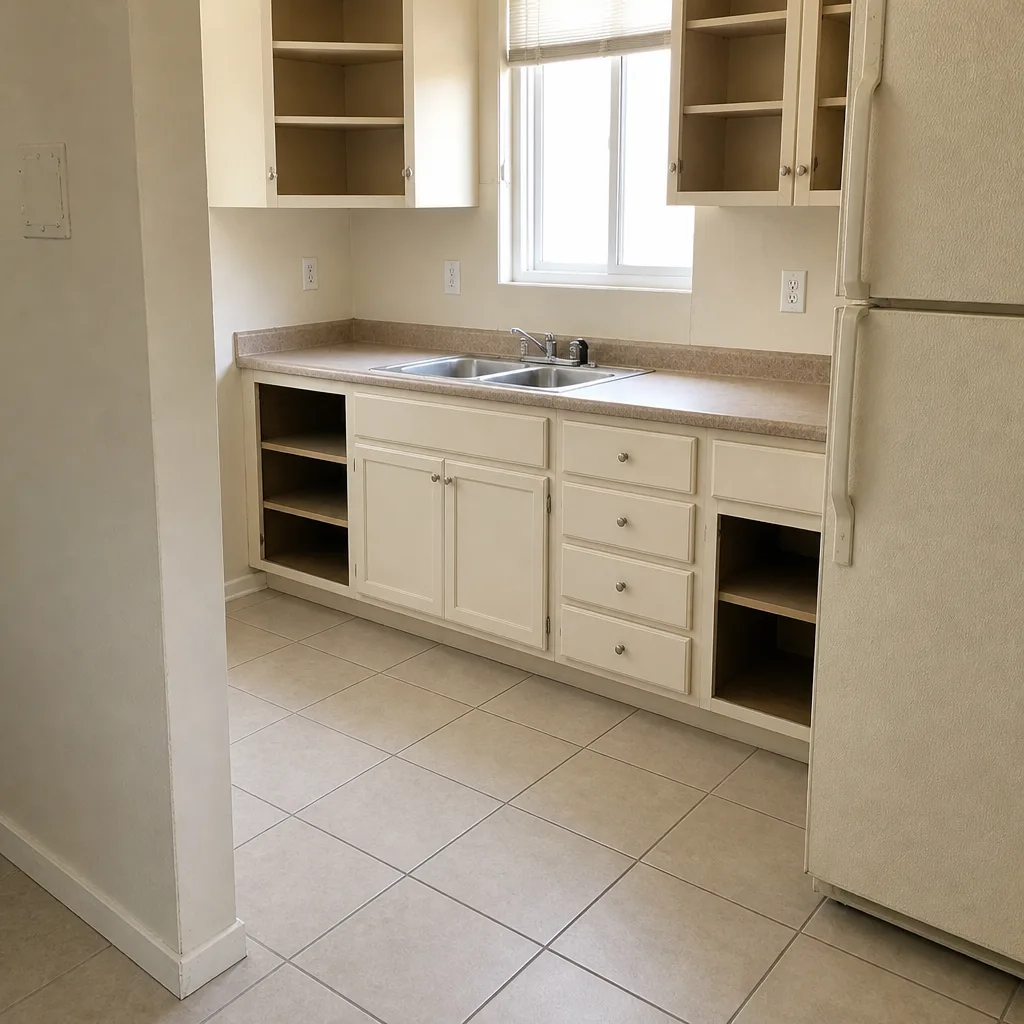
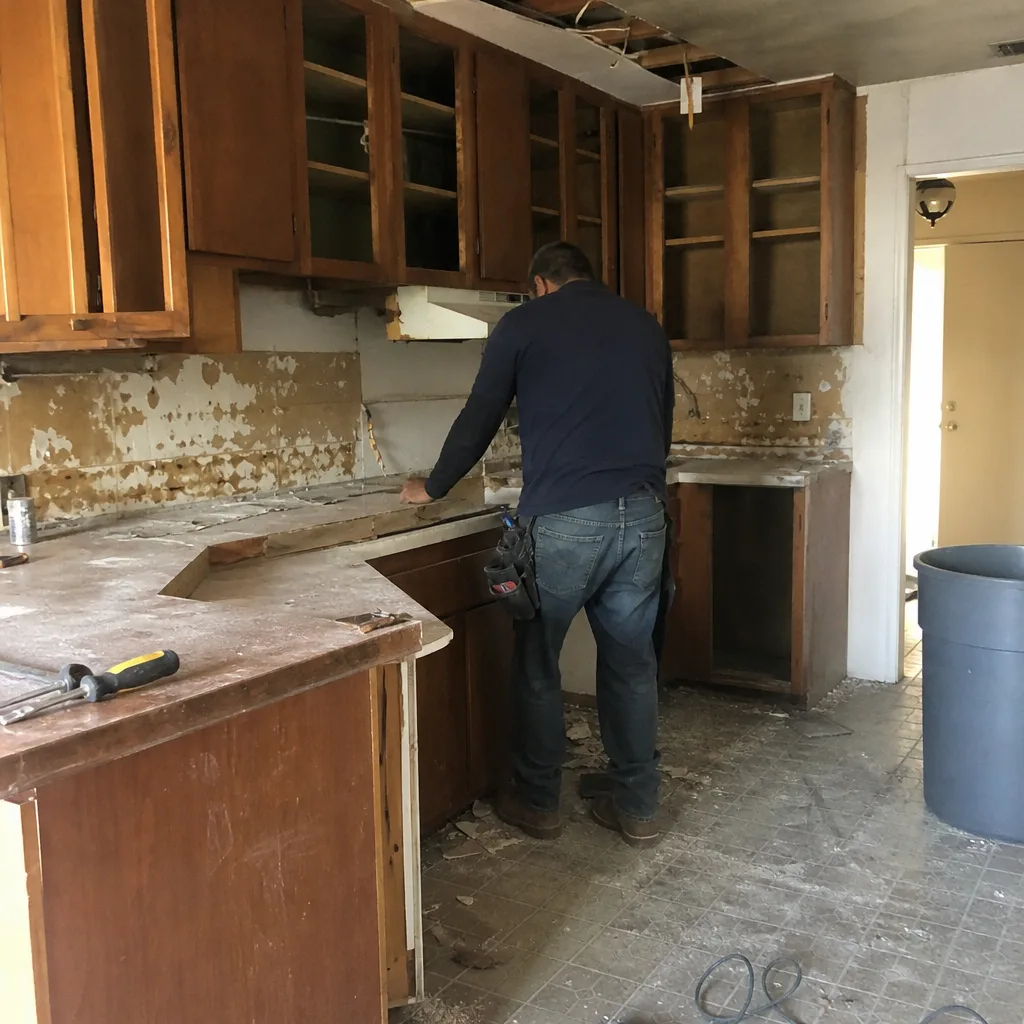
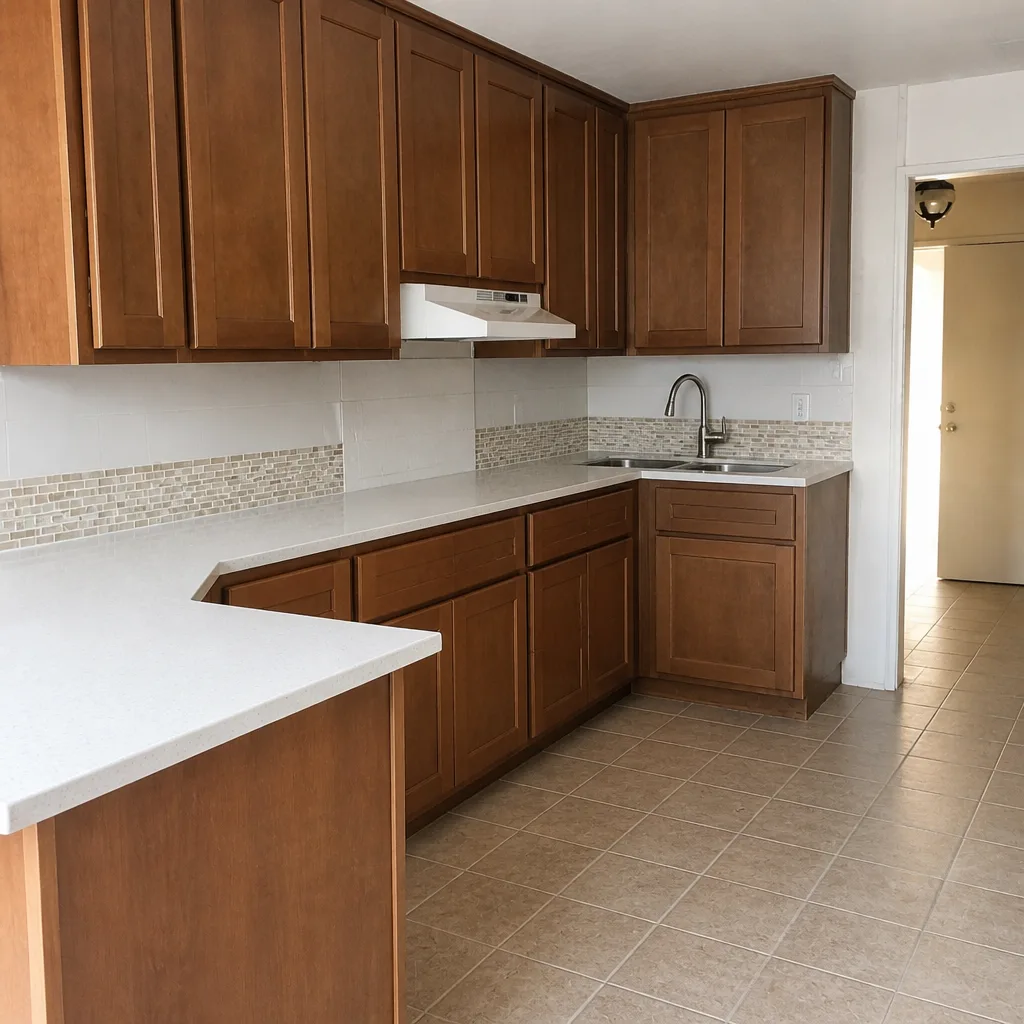
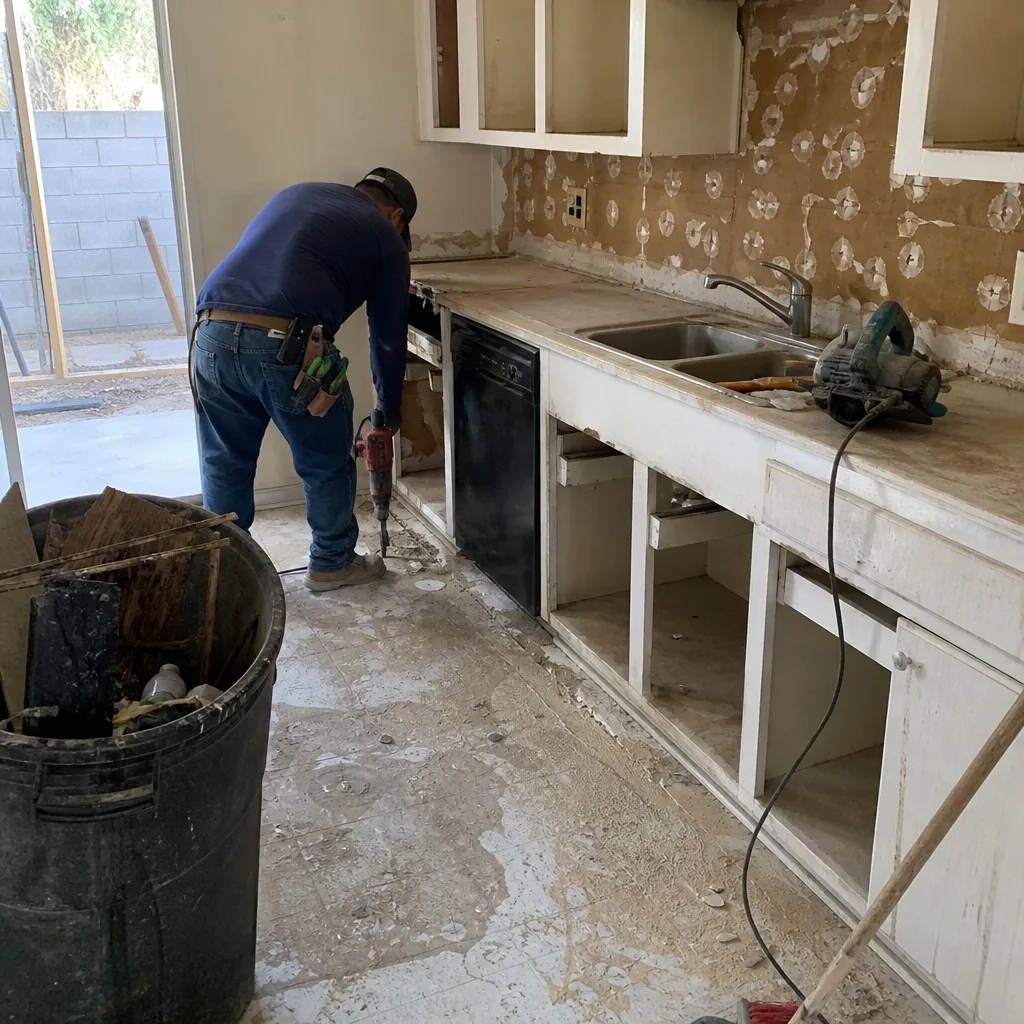
See the difference
 Before
 After
 Before
 After
 Before
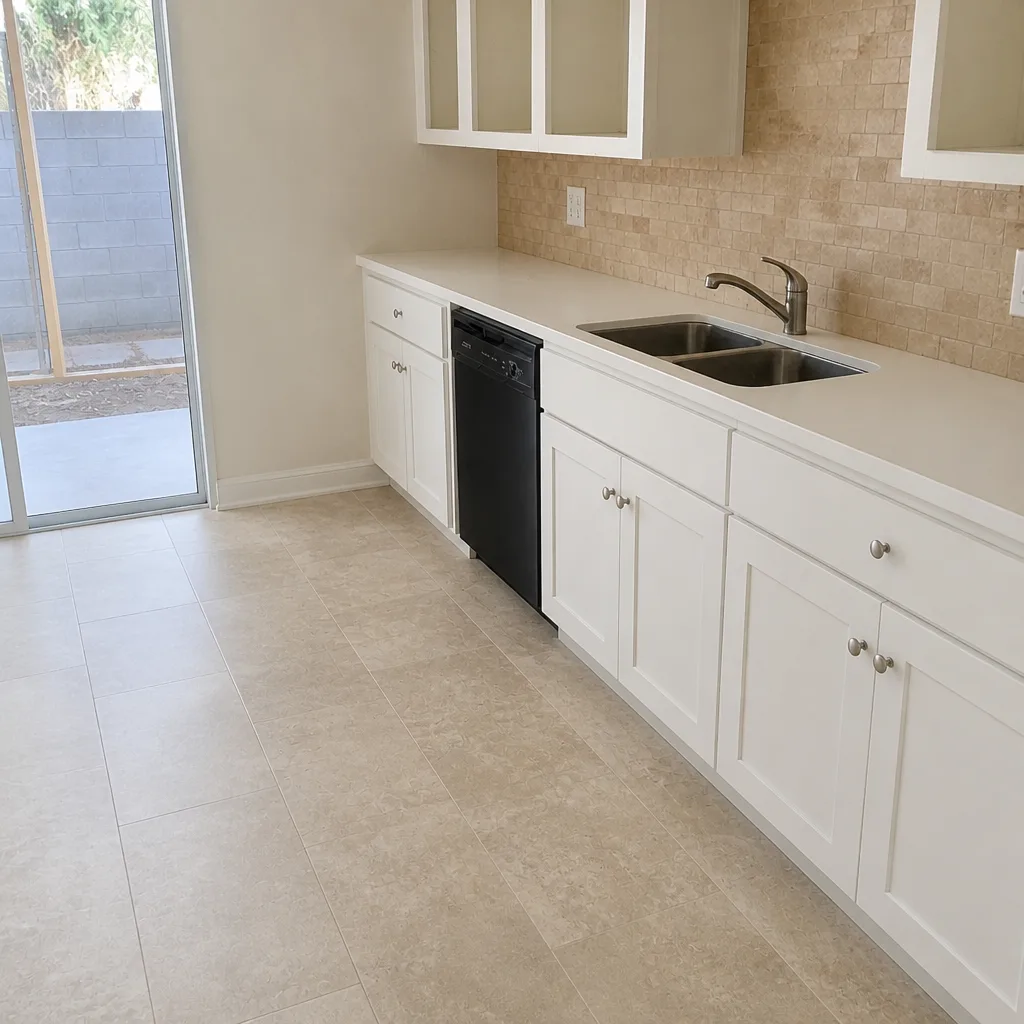 After
When to Call a Professional
Some kitchen upgrades are DIY-friendly. Cabinet installation and countertop installation are not. Countertops in particular require slab handling, field templating, precise cutouts, and professional installation tools – mistakes damage the slab irreversibly and void the manufacturer warranty. Cabinet installation requires precision leveling, correct anchoring, and finish care. Both also fall under permit requirements in most cities when they involve plumbing, electrical, or structural changes, so ask your city’s building department before assuming a permit isn’t needed.
If you’re weighing brands and can’t decide, that’s also a good time to call. Comparing KraftMaid against Wellborn, or Cambria against Silestone, is easier with samples in front of you and someone who knows the differences. Kitchen Remodel North Las Vegas offers free estimates in North Las Vegas – call (833) 620-5631. We answer 24/7. Fast dispatch from 7am to 7pm, Sunday through Friday. Our technicians have up to 14 years of experience, and every project we take is a kitchen.
Frequently Asked Questions
There’s no single “best” cabinet brand – the right one depends on your finish preference, box construction requirements, and budget. In North Las Vegas, the brands that perform best are semi-custom lines with catalyzed finishes that resist UV and glued, doweled box construction. KraftMaid and Wellborn are two of the most respected names in semi-custom and custom cabinet manufacturing, and we carry both so you can compare them directly. Call (833) 620-5631 to see samples in person – estimates are free.
Not objectively – Cambria, Silestone, and Caesarstone are all engineered quartz surfaces with strong performance in a hard-water market, and each backs its product with its own warranty terms. Cambria is made in the USA and known for slab consistency; Silestone has a broad color range; Caesarstone is known for distinctive slab aesthetics. The right choice depends on which slab speaks to you and how the warranty terms read. We carry all three so the decision is yours, not ours. Call (833) 620-5631 for a free comparison.
Yes, in general terms – premium semi-custom and custom cabinet brands typically use plywood or high-density engineered wood boxes with glued and doweled or dovetail joints and catalyzed finishes that resist UV. Stock and builder-grade cabinets often use thinner materials and stapled construction, which loosens faster in a dry climate. The premium brands also publish warranty terms that stock lines usually don’t. Call (833) 620-5631 for a free estimate that includes brand comparison.
It means the manufacturer backs the product through that dealer, including the installation, and the dealer is held to the manufacturer’s installation standards. If you buy the same brand through an unauthorized channel and something fails, the warranty path is unclear because the manufacturer can point to improper storage or installation. Ask any remodeler you’re considering to show authorization for the specific brands and lines they quoted. Call (833) 620-5631 for a free estimate and ask us directly.
Natural stone wins when you want a surface no one else has – a unique quartzite slab or a marble with character – and you’re willing to seal and maintain it. Engineered quartz like Cambria, Silestone, or Caesarstone wins on low maintenance and hard-water resistance because it’s non-porous. In a market with hard water, engineered quartz is usually the more practical choice for a busy kitchen. Call (833) 620-5631 to talk through both options – estimates are free.
A dedicated kitchen specialist is usually the better choice for cabinet and countertop work because every project they touch is a kitchen – the cabinet run, the surface templating, and the fixture cutouts are core competencies rather than one line item among many. Generalist contractors can deliver a kitchen remodel, but the kitchen-specific details are where the difference shows. Call (833) 620-5631 for a free estimate from a team that works only on kitchens.
The Bottom Line
The brand names on your cabinets, countertops, and fixtures matter more in North Las Vegas than in most markets, because the desert climate exposes weak construction faster. The decision framework is straightforward: prioritize construction over style, verify manufacturer authorization before signing, request a line-item written estimate, and confirm that cabinet and countertop installation are handled as core competencies rather than subcontracted afterthoughts. KraftMaid and Wellborn for cabinetry, Cambria, Silestone, and Caesarstone for surfaces, and Kohler, Moen, and Blanco for fixtures are a strong starting roster because each backs its products for the long run. Match brand tier to your real budget and resale plan, and the kitchen you build will still look right five years out.
Call (833) 620-5631 to schedule your free estimate. We answer 24/7. Fast dispatch from 7am to 7pm, Sunday through Friday.
Written by the team at Kitchen Remodel North Las Vegas.